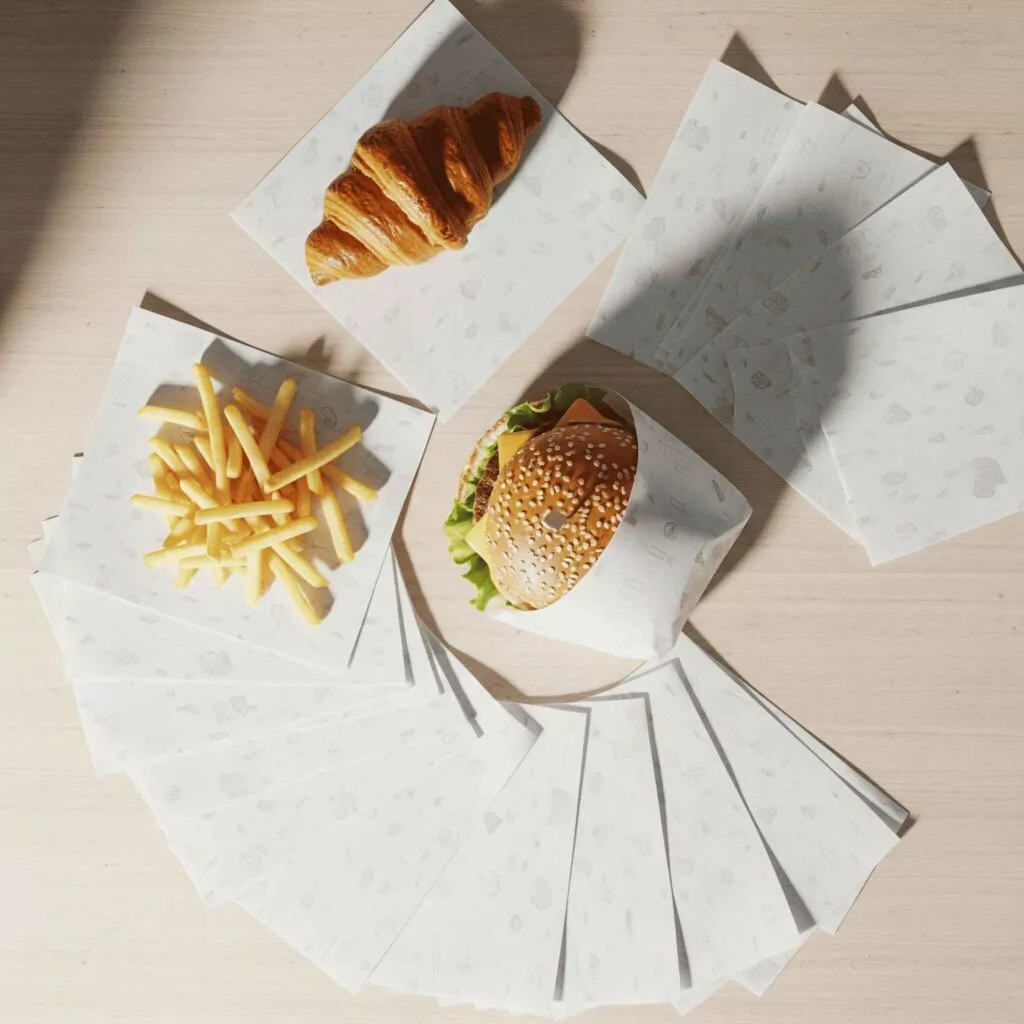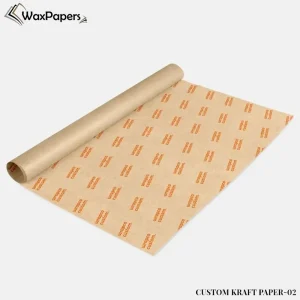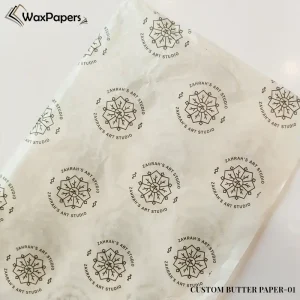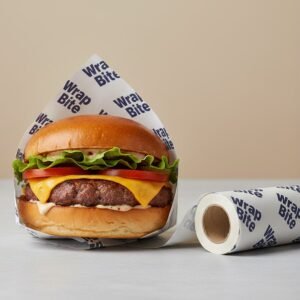
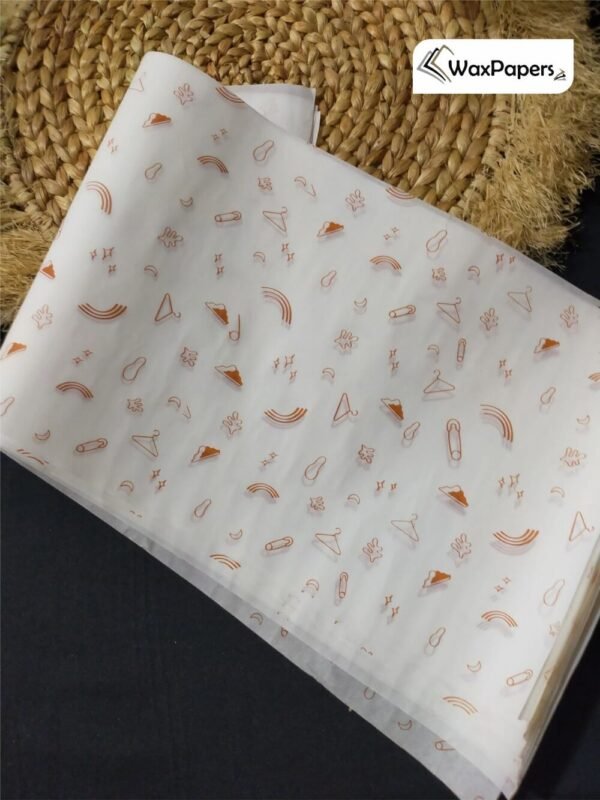






Heat-seal paper is one of the most unique and hygienic custom papers that is used when temperature-sensitive packaging is required. This paper has a unique structure that bonds with itself and other surfaces when heat and pressure are applied. It also offers a clean and professional finish to the product and enhances the shelf life of packaged items. Some of the industries where customized heat-sealable paper with heat-seal capacity is used are as follows:
- Food
- Pharmaceutical
- Cosmetic
- Industrial sectors
- Sachets
- Inner liners
- Pouches
- Medical wraps
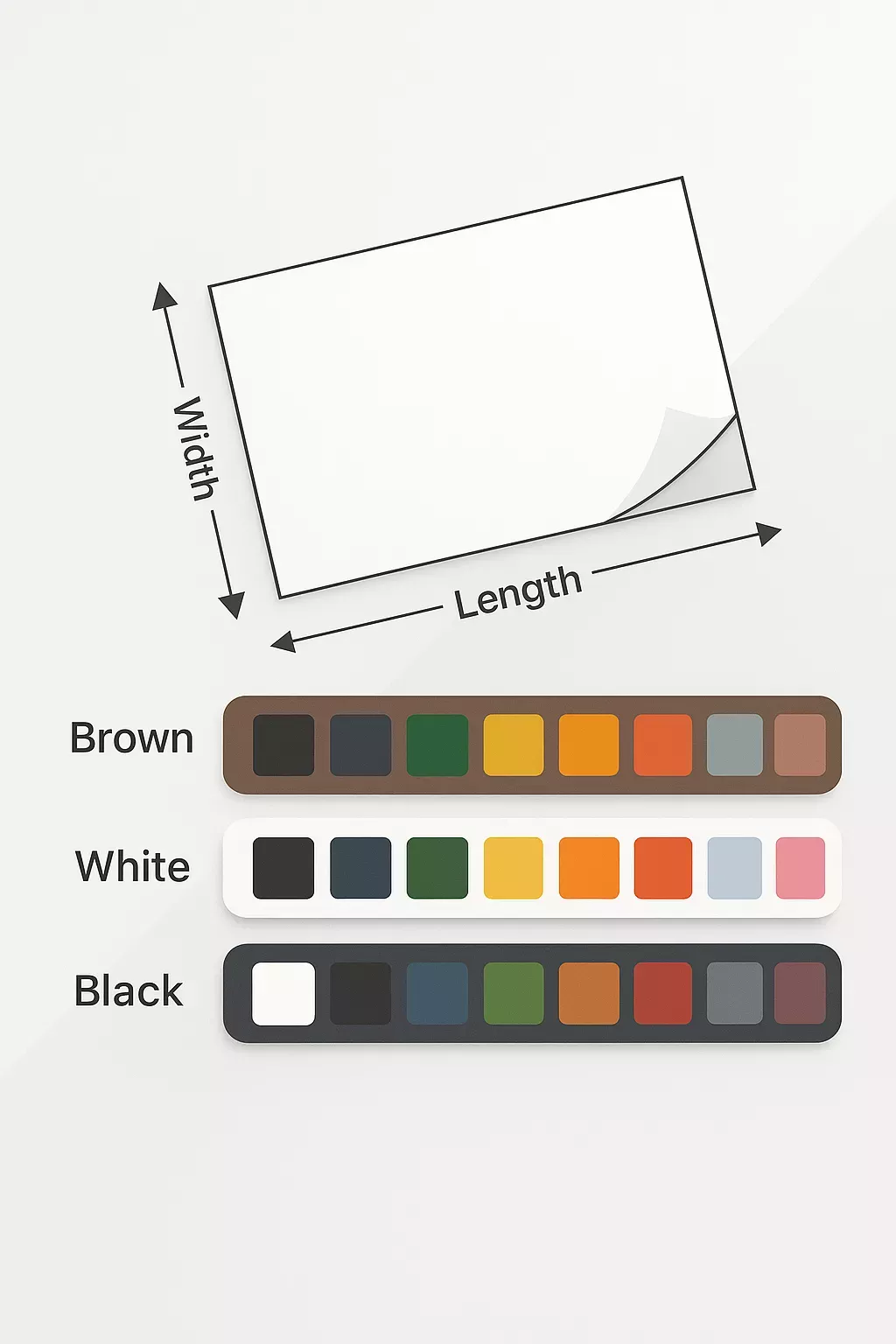
By getting this custom-printed heat-seal paper from our company, you can get a free promotional tool. Not only this, we give custom styles and dimensions of the paper so you can wrap your product the way you want.
The Manufacturing Process of Heat Seal Paper
The manufacturing process of custom heal seal paper is a complex one that needs to ensure high-performance demands in packaging, medical, food, and industrial applications. From the pulp to the oven lamination, every step is strictly monitored to provide you with the best sealing capacity, barrier against oxygen or flavor loss, and printing quality. The following is a detailed process used for producing custom-printed heat-seal paper.
Pulping
Pulping in the first stage for the production of heat-seal paper. It’s a matter of giving new life to cellulose fibers from wood or recycled sources by making them into pulp that can be used to create products. This is where the physical strength and flexibility of the paper are determined. Pulping includes the following steps:
- Raw material selection
- Mechanical or chemical pulping
- Screening and cleaning of pulp
- Decontamination (of soils, dirt, ink, metals, etc.)
This will guarantee the baseline paper to be of identical fibers, which is an important factor for its more uniform coating on custom-printed heat-seal bags and sheets for sealability later.
Bleaching
Bleaching pulp is done to get rid of the remaining lignin and natural pigments from the pulp of kraft paper to improve the whiteness, hygiene, and printability. It also improves the adhesion of the paper to heat-seal coatings. “Eco-friendly agent” may include, without limitation:
- Oxygen or hydrogen peroxide bleaching
- Chlorine-free bleaching (TCF/ECF)
- Pulp rinsing and neutralization
This process increases purity and appearance as required by medical and food-contact paper.
Mixing And Forming
The clean pulp is now combined with chemical additives and water aimed at particular paper characteristics. The mixture is then pumped onto a paper machine, which produces a continuous sheet. This step includes:
- Sizing agents
- Strength resins
- Sheet formation
- Water drainage
Molding provides the sheet with the uniform thickness, texture and surface that are suitable for coating.
Pressing
This moist paper is then run through a sequence of press rolls while it is further drying, and the fiber bonding and the evenness of the paper surface are increased. The pressing stage is important as it allows for a uniform thickness, increasing mechanical strength and properly preparing the sheet for coating adhesion during the later stages of heat seal paper production.
- Remove excess water
- Enhance bonding between fibers
- Increase smoothness and reduce porosity
Correct pressing produces a stronger sheet with fewer coating defects, such as pinholes and uneven adhesion.
Drying
Sheeting of the press is dried in thermal dryers. The aim is to decrease the water content of the paper to the desired value, stabilize the paper structure and prevent the paper from wrinkling and other undesired changes during subsequent processing. Drying also increases sheet flatness, bringing out optimal coating performance and consistently preparing the surface for uniform application of functional layers such as heat seal or barrier coatings.
- Reduce moisture content to <5%
- Prevent shrinkage or warping
- Prepare paper for coating application
This is achieved using:
- Steam-heated drying cylinders
- Infrared or hot-air drying units
Now the sheet is structurally ready, and the paper can be surface-treated.
Heat Seal Coating Application
This is the key process for the production of heat-seal papers. Various methods of coating and resins are used depending on the application. This layer is responsible for sealing the paper under heat and pressure. Though this paper does not have the heat resistance that parchment paper has, it is still resistant enough to withstand sealing heat.
We Apply The Following Coatings
| Coating Type | Function | Composition | Use Cases |
| Solvent-based | Strong adhesion | Solvent polymers | Medical sealing |
| Chemical resistant | VOC compliance | Industrial packaging | |
| Water-based | Eco friendly | Water carrier | Food packaging |
| Safer handling | Low emissions | Pharma pouches | |
| Hot-melt | Quick sealing | Molten applied | Sachet lines |
| Strong bond | Cooled solid | Pouch systems | |
| Moisture Barrier | Blocks humidity | PE or PVDC | Tea sachets |
| Shelf stable | PLA option | Dry powders | |
| Grease Resistance | Oil resistant | AKD coating | Burger wraps |
| Leak prevention | PFAS-free | Cheese papers | |
| Oxygen Barrier | Blocks oxygen | EVOH layer | Vacuum foods |
| Preserves nutrients | Bio barrier | Medical items | |
| Release Coating | Easy peel | Silicone based | Sample sachets |
| Clean open | Fluoropolymer resin | Resealable packs | |
| Anti-static | Static control | Conductive polymer | Electronic wrap |
| Dust protection | Ammonium blend | Powder sachets | |
| Anti-fog | Clear visibility | Hydrophilic agents | Produce packs |
| Fog resistant | Water spread | Cold items | |
| Printable Coating | Ink receptive | Acrylic primer | Branded wraps |
| Sharp image | Polyurethane base | Barcode zones |
Calendering
Calendering The paper, with coating, can be calendared to level the surface and modify gloss. From heat-sealed paper bags to sheets, this process is vital to achieve packaging efficiency. This step ensures:
- Uniform surface profile
- Enhanced print quality
- Controlled thickness (micron level)
This is particularly critical if branded or barcoded sachets are utilized in the form of printed heat-seal paper.
Slitting And Cutting
The resulting coated roll is then converted to sheets or web rolls to customer requirements. This will entail an exact cutting of the edges to even them, and slitting the paper to the width required to be run on the wrapping machines or the sheeters to sheet to custom sizes. A precise cut promotes easy packing, reduces waste, and results in a professional final heat-sealed paper sheet.
- Edge trimming to remove uneven borders.
- Slitting into various widths (e.g., for flow wraps)
- Sheeting into custom sizes
- Stacking, counting, and bundling
Finishing And Quality Inspection
The last process guarantees that heat-sealed paper meets all functional and regulatory requirements. Among other things, Coating uniformity, seal strength, barrier performance and surface integrity are all rigorously checked for quality of heat seal paper roll. Tests are made for ink adhesion, moisture and grease resistance and thermal seal integrity. FDA, ISO and FSC are also verified certifications to ensure the safety and compliance of the product.
- Surface inspection
- Sealability test
- Resistance testing
- Ink adhesion
- Certification checks
- Optional finishing
Call Now!
At Wax Paper Co., we are giving the highest quality heat seal paper wholesale. We know what you want and create the exact wrapping paper with all the promotional elements of your brand. So, call now and get the best services in the USA.